
Satellite internet: when it can be an alternative to fiber.
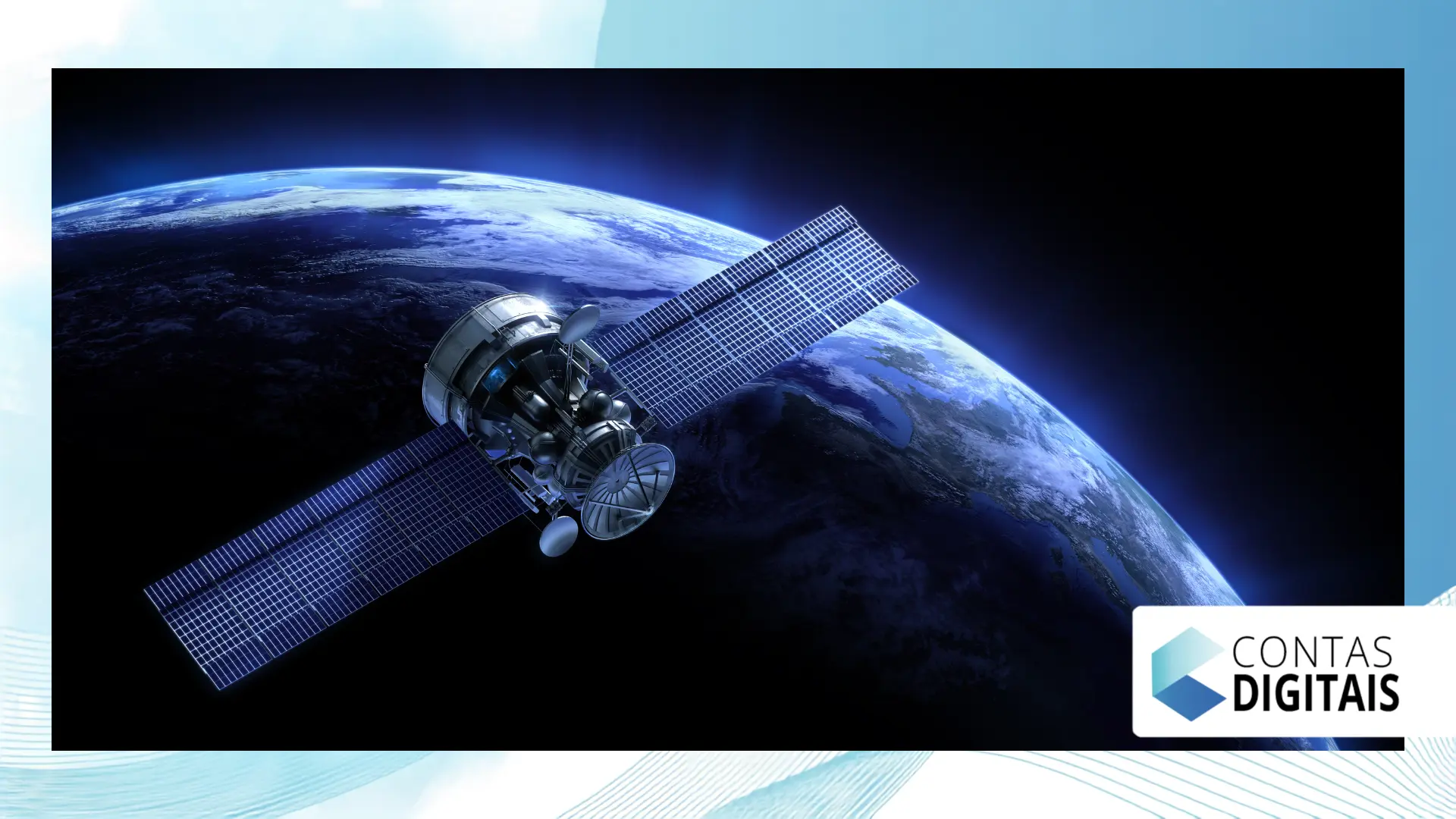
THE satellite internet It has become the primary solution for bringing high-speed connectivity to locations where terrestrial infrastructure does not reach.
With advancements in low-Earth orbit networks, this technology has evolved radically, ensuring lower latency and superior stability.
In this article, you will understand exactly how this system works, what its practical applications are in everyday life, and when it is worthwhile to opt for this alternative compared to traditional fiber optics.
In this complete guide, you will understand:
- How does low-Earth orbit satellite connectivity work?.
- Key technical differences between satellite and fiber optics.
- Ideal scenarios where satellite technology surpasses terrestrial connections.
- Installation costs, equipment, and actual financial viability.
What is satellite internet and how does it work today?
The technology of satellite internet It has evolved dramatically in recent years with the arrival of low Earth orbit constellations, known technically by the acronym LEO (Leaf Earth Orbit).Low Earth Orbit).
Unlike older models that used geostationary satellites more than 35,000 kilometers from Earth, the new systems orbit at an altitude of only 550 kilometers, drastically reducing response time.
The basic operation relies on a receiving antenna installed on the property, which sends and receives data directly from orbiting satellites, transmitting the signal to an internal Wi-Fi router.
These satellites constantly communicate with ground stations connected to the major web backbones, ensuring high-speed packet exchange without relying on long physical cables to your home.
Satellite Internet vs. Fiber Optics: Understand the Differences
To choose the best option, it is essential to analyze the technical specifications of each technology. The table below compares the main performance criteria between the two technologies in the current scenario.
++ Mobile biometrics: what data are collected by apps?
| Comparison Criteria | Fiber Optics | Satellite Internet (LEO) |
| Average Latency | 5 ms to 20 ms | 25 ms to 60 ms |
| Download Speed | 300 Mbps to 1 Gbps | 100 Mbps to 300 Mbps |
| Geographic Coverage | Limited to urban areas | Global and unrestricted |
| Climate Sensitivity | Virtually zero | Moderate (heavy rainfall) |
| Equipment Cost | Usually free/loan | Own paid equipment |
While fiber leads in extremely low latency, satellite internet It wins hands down in terms of range, delivering high speeds where no cable could ever be installed.
When is satellite internet the best option?
The decision to invest in the signal of satellite internet You must consider the local infrastructure. There are specific scenarios in which it ceases to be a secondary option and becomes a priority.
1. Rural Areas and Isolated Regions
Rural properties, farms, and ranches far from urban centers rarely have fiber optic coverage. In these locations, radio connections are often unstable, making satellite internet the definitive solution.
Read more: Passkeys: how they work for accessing digital banks
2. Agribusiness Environments and Monitoring
Modern agricultural operations require real-time telemetry for tractors, harvesters, and IoT sensors in the field. Orbital coverage ensures that machines remain connected at any point on the map.
3. Connectivity on the Move (Mobile and Maritime)
Motorhomes, commercial vessels, yachts, and expedition vehicles find in satellites the only way to maintain continuous network access while traveling on isolated roads or open waters.
4. Critical Redundancy for Businesses (Backup Link)
Companies that cannot interrupt their operations use the orbital signal as a secondary link. If the terrestrial fiber optic cable is broken due to construction work, the orbital network instantly takes over the traffic.
According to official data from National Telecommunications Agency (Anatel), The expansion of broadband access in rural areas has boosted digital inclusion and productivity in the national productive sector.
Advantages and limitations of orbital technology
Analyzing both sides of the coin is essential before signing any telecommunications service contract for your home or business.
- Benefits: Quick installation without the need for street construction, immediate global coverage, excellent download speeds, and independence from local phone providers.
- Disadvantages: High initial cost for acquiring the antenna kit, occasional interference during very severe storms, and slightly higher latency compared to fiber optics.
For everyday activities such as 4K streaming, web browsing, Zoom meetings, and remote work, the experience offered by the new LEO satellites is equivalent to that of terrestrial networks.
++ Enrollment suspension: when this option can be useful
However, for competitive eSports players who require ping below 10 milliseconds, urban fiber optics remains the most recommended and accurate technical choice.
Costs and financial viability
Financial investment in satellite internet It is divided into two clear stages: the purchase of the hardware kit (antenna, cables and router) and the payment of the monthly service fee.
Although the initial cost of the equipment is higher compared to leasing fiber optics, the lack of efficient alternatives in rural areas makes the cost-benefit ratio extremely advantageous for the consumer.
The ease of installation allows the user to assemble the kit themselves in just a few minutes using intuitive apps, saving extra fees for technical visits from accredited installers.

Is it worth switching from fiber to satellite?
If you live in a large urban area served by stable and inexpensive fiber optic networks, there is no technical or financial reason to switch technologies at this time.
On the other hand, if you live in the countryside, work in the fields, travel frequently, or suffer from constant interruptions in your local network, satellite is the best option available.
Global entities such as International Telecommunication Union (ITU) They emphasize that orbital constellations are key to eradicating digital deserts on the planet throughout this decade.
Spatial connectivity has established itself as a mature, reliable, and accessible infrastructure, radically transforming the reality of millions of people who previously lived completely isolated from the digital world.
Frequently Asked Questions
Does heavy rain cause satellite internet signal to drop?
Extremely heavy rain or heavily charged storm clouds can cause temporary signal attenuation.
However, in modern Leo constellations, these interruptions are rare and last only a few minutes.
Is it possible to play online using a satellite connection?
Yes, it's perfectly possible to play casual multiplayer matches. Since the latency of LEO satellites varies between 25 ms and 60 ms, strategy games, RPGs, and simulators run very smoothly.
Can I move my satellite dish to other addresses?
It depends on the plan you choose. Most providers offer service options with mobility enabled, allowing you to take the kit on trips, camping trips, or to different rural properties.
++ Will satellite internet access replace fiber optics?
++ Discover the 5 best satellite internet plans and providers in 2026.
