
Random Pix key: when is it the safest option?
Random Pix key This can be an interesting option for those who want to receive payments without directly disclosing personal information, such as phone number, email, or social security number.
However, it does not automatically make a transfer risk-free.
The type of key primarily influences the amount of personal data shared during a payment.
Security also depends on verifying the data, taking care with the banking application, and utilizing the protection measures offered by the system.
In this article, you will understand:
- What is a random key and how does it work?;
- When it offers more privacy;
- What are the differences between the main types of keys?;
- How to choose the right option for each situation;
- What precautions are still necessary even when using a random key?.
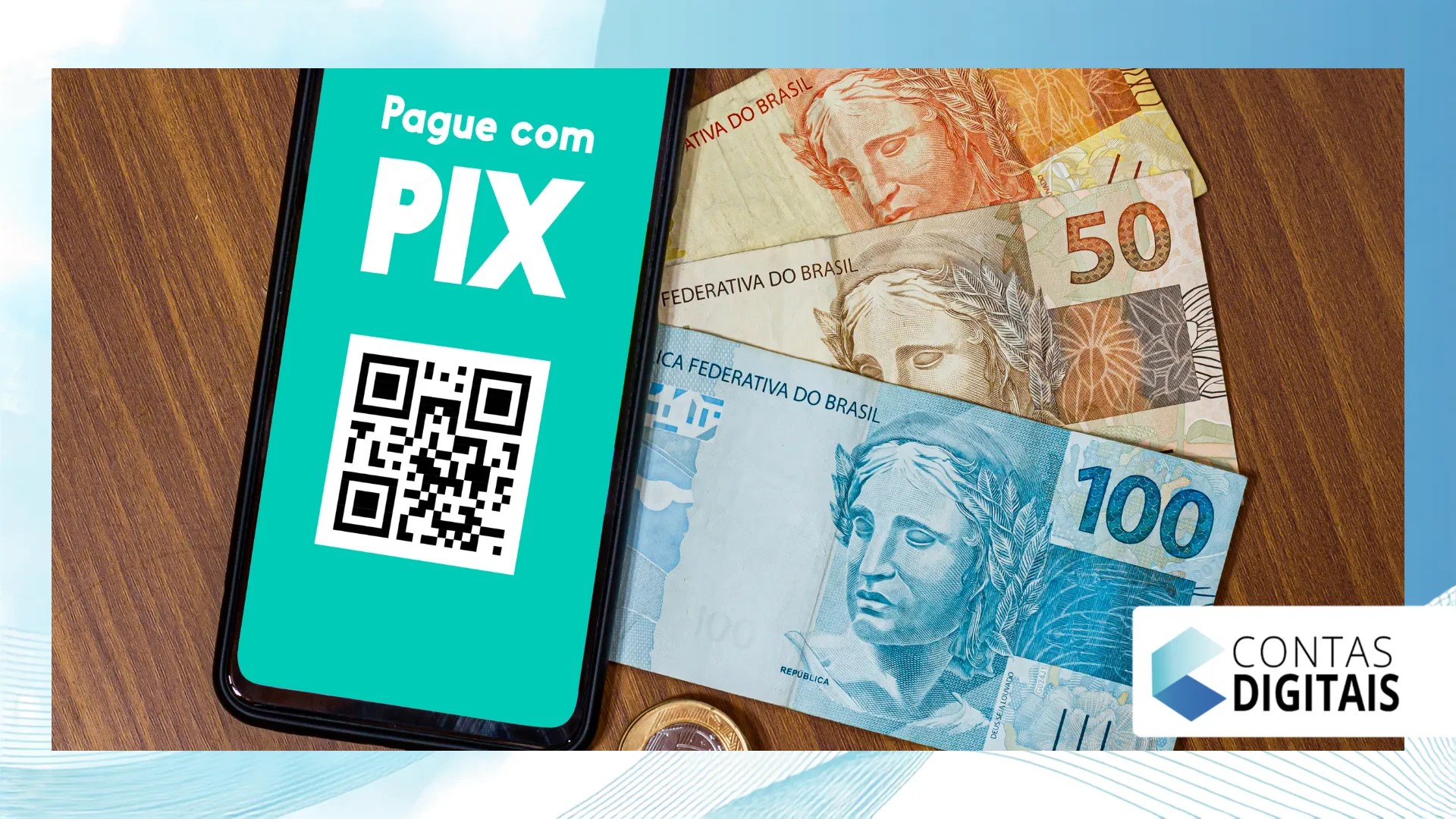
What is a random Pix key?
THE random Pix key It is a sequence of letters and numbers generated by the system to identify an account, without directly using the account holder's personal information.
The Central Bank explains that a Pix key functions as a "nickname" for the account and can use a CPF (Brazilian individual taxpayer registration number), CNPJ (Brazilian company taxpayer registration number), email, cell phone number, or a random sequence.
This option is especially suitable for those who prefer not to give their phone number, email address, or identification documents to everyone who needs to make a payment.
In practice, you provide the bank-generated sequence to the payer. When initiating the transfer, the system displays the recipient's details for verification before confirmation.
Why might a random key be more secure?
The main advantage lies in privacy, It's not about special protection against scams. It reduces the exposure of personal information associated with account identification.
Imagine someone selling products online and receiving payments from strangers.
Disclosing the phone number as a key can increase the exposure of this information to various buyers.
In this scenario, a random sequence can limit the amount of personal information shared publicly, especially when the payment occurs between people who have no prior relationship.
The Central Bank itself describes the random key as an option for users who do not wish to link their personal data to their transactional account information.
However, there is an important difference: Privacy does not mean immunity from fraud..
The user still needs to carefully check the recipient before authorizing any transfer. See the official guidelines from the Central Bank regarding security in Pix.
What is the difference between Pix keys?
Each option has different characteristics. The best choice depends mainly on the desired level of privacy and the ease of use you need to offer to those who will be making payments.
++ Credit portability: when switching reduces the cost of debt.
| Key type | Information used | Privacy | Easy to share |
|---|---|---|---|
| CPF | Personal document | Minor | High |
| CNPJ | Business document | Minor | High |
| Cell phone | Phone number | Average | High |
| Email address | Average | High | |
| Random | Sequence generated by the system | Bigger | Average |
The table illustrates a practical difference: the less personal data you need to disclose, the greater your privacy tends to be during the receipt process.
Therefore, the choice doesn't have to be definitive. A person can keep different account types registered and use each one according to the situation, respecting the limits established by the system.
Read more: How to Open a Digital Account Without Proving Income
According to the Central Bank, individuals can register up to five keys per account. Management can be done through the financial institution's app or website.
When is it worthwhile to use a random key?
THE random Pix key This usually makes sense for those who receive payments from strangers, sell products online, or disclose bank details in public settings.
It can also be convenient for small businesses, freelancers, and people who want to separate their financial identification from their personal communication used on a daily basis.
Another situation involves groups, advertisements, and social networks. In these environments, posting a key linked to your phone number could reveal a personal contact to people you don't know.
For recurring payments between family members or close friends, however, a key such as a cell phone number or email address can offer more convenience without necessarily representing an insecure choice.
++ How to compare loan offers without falling into traps.
The central point is to evaluate how much do you need to protect your personal data?, without confusing this concern with a guarantee against scams or erroneous transfers.
Does a random key prevent fraud in Pix?
No. A random Pix key It reduces the exposure of certain personal data, but it doesn't prevent someone from trying to deceive you during a transfer.
Scammers may use social engineering, fake charges, fraudulent messages, fake websites, or altered receipts to convince the victim to make a payment.
Furthermore, the Pix system has its own security and traceability mechanisms. The Central Bank reports that transactions occur in a protected environment and are authenticated by the financial institution.
For this reason, never confirm a payment just because the key seems correct. Check the recipient's name, the bank, and the amount before completing the transaction.
What should you do if you fall victim to a scam?
If fraud occurs, immediately notify your financial institution and request a transaction dispute through the Special Refund Mechanism, known as MED.
The Central Bank informs that the request can be made up to 80 days after the transaction, but recommends acting quickly because the existence of funds in the fraudster's account influences the possibility of recovery.
Since 2025, institutions have been offering self-service options for MED (Medical Services) within the Pix environment of their apps, making it easier to dispute fraudulent transactions.
It is important to understand, however, that the MED (Medical Expenditure Report) does not function as a simple payment cancellation. The refund depends on an analysis of the incident and the existence of recoverable funds.
The mechanism also does not apply to situations such as simple user error when sending money to another person or certain commercial disagreements.

How can I use a random key more securely?
Before disclosing your random Pix key, Choose reliable channels to share it and avoid sending banking information to strangers unnecessarily.
When receiving a payment, always check the information presented by the app before considering the transaction complete, especially when the amount is high or unexpected.
Never give your password, authentication code, token, or code received via SMS to another person. Banks do not need this information for someone to make a legitimate payment to you.
It's also worth checking your registered keys periodically.
The Central Bank provides the Pix Key Report on Registrato to help users verify the records associated with their CPF (Brazilian individual taxpayer registration number) or CNPJ (Brazilian company taxpayer registration number).
Frequently Asked Questions
Is a random key really more secure?
It can offer more privacy because it doesn't directly expose your CPF (Brazilian tax identification number), phone number, or email address. However, the security of the transaction also depends on the precautions taken by the user and the financial institution.
Can I have more than one Pix key?
Yes. Individuals can register up to five keys per account. Different key types can be used depending on the purpose, as long as each key complies with the system's registration rules.
Can I delete a random key?
Yes. Key management is done through the financial institution's app or website. The user can view, change, or delete their registered keys.
What to do after a fraudulent Pix transaction?
Contact your bank immediately, dispute the transaction, and request a MED (Medical Document) if you suspect fraud.
It may also be advisable to file a police report.Consult the Central Bank's frequently asked questions about Pix.
Conclusion
THE random Pix key It is especially useful when privacy and control over personal data are priorities.
It allows you to receive payments without turning your phone number, email, or CPF (Brazilian tax identification number) into public identifiers.
This doesn't mean it's a barrier against scams. The most effective protection combines a suitable key, careful data verification, secure authentication, and attention to suspicious messages or requests.
For those who receive Pix payments from strangers, share data with clients, or sell products online, the random payment method can be a practical choice to reduce unnecessary exposure of personal information.
++ Which Pix key is the most secure? Tips to protect your data.
++ Pix Key: What are the types and which one to use in your business? Understand.
