
Study methods that remain effective in 2026
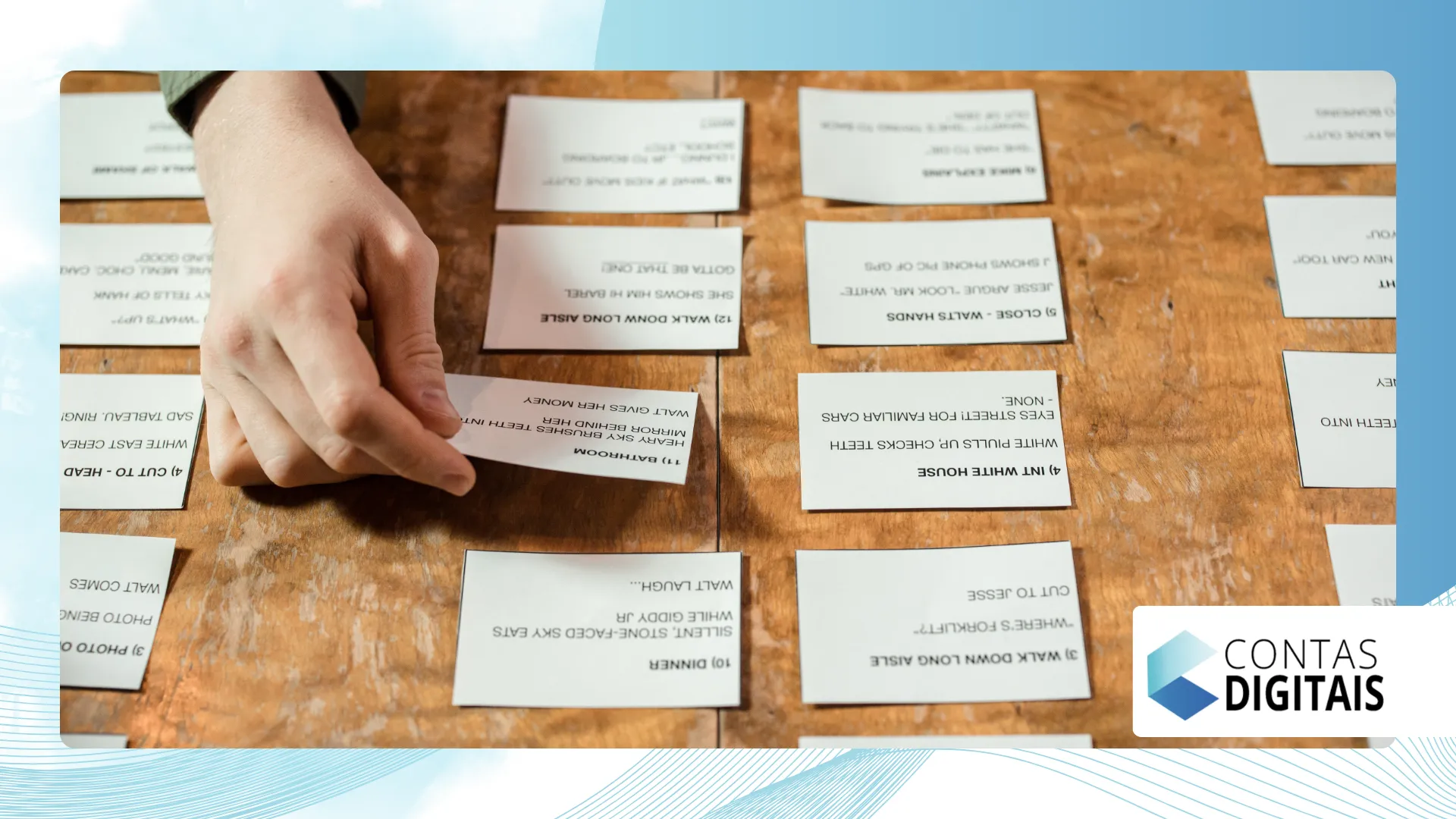
When we strive for high academic performance, understanding what the... Study methods that remain effective in 2026 It transforms our content retention and optimizes our daily time.
In an era where attention has become the most valuable commodity, the old idea of spending sleepless nights devouring textbooks seems almost primitive.
The volume of stimuli we receive has changed our cognitive architecture; therefore, insisting on analog, rote learning dynamics is an invitation to frustration.
Accelerating learning today is not about pure intelligence, but about process engineering and mental strategy.
In this article, you will discover how cognitive science validates best learning practices.
We will examine the evolution of traditional techniques and the impact of artificial intelligence on contemporary educational routines.
Optimized Summary
- What has changed in intellectual preparation?
- How does science validate practical retention?
- Which methodologies lead to increased productivity?
- Why is strategic rest vital?
- How does technology support learning?
- Comparative Efficiency Table
- Conclusion of the Educational Overview
- Frequently Asked Questions (FAQ)
What has changed in intellectual preparation today?
The educational ecosystem, saturated with digital stimuli, demands strict filters to combat intense cognitive distraction.
Studying for hours on end without a defined strategy only leads to mental exhaustion and very low knowledge retention.
Purely rote memorization has given way to the need for deep critical reflection and immediate application.
Understanding complex concepts in a structured way sets elite students apart in today's market.
There is something unsettling about ignored biological fatigue: selecting robust methodological tools defines who truly achieves success in highly competitive exams.
Read too: Personalized Learning 2026: How Adaptive Education Improves Grades
How does science validate the practical retention of knowledge?
Applied neuroscience proves that the human brain requires deliberate effort to consolidate lasting memories.
Forcing the mind to retrieve specific information permanently strengthens synaptic connections.
Simply passively rereading colorful summaries creates a dangerous illusion of competence in the student.
This is often misinterpreted as productivity, but it fails when answering complex tests without consultation.
True learning happens when we decode difficult concepts using our own structured words.
Practicing active recall protects your memory against the natural forgetting curve that occurs over time.
+ How to Study Using the Cornell Note-Taking Method
Which traditional methodologies lead to academic productivity?

The active recall technique, known globally as active recall, remains at the top of effective strategies.
Answering questionnaires even before reviewing the theory accelerates the activation of prior knowledge.
In addition, the spaced repetition system distributes reviews at mathematically calculated intervals for reinforcement.
Using specialized software like Anki automates this process with extreme precision.
Another fundamental pillar is the renowned Feynman Method, focused on providing simplified explanations of complex topics for laypeople.
If you can teach a difficult topic to a child, you truly understand the subject matter.
Multiple studies by the American Psychological Association demonstrate that self-testing far outperforms passive summaries.
To understand the scientific basis for these findings, it is worth exploring the analyses of cognitive psychology available in [reference/source]. APA.
+ Memorization Techniques to Learn Faster
Why is strategic rest vital for consolidating memories?
The brain does not permanently store data while we are continuously consuming new content.
It is during the deep sleep phases that the hippocampus transfers information to the cortex.
Neglecting adequate rest destroys the ability to maintain sustained attention the following day of studying.
Scheduled breaks during reading sessions prevent synaptic overload and maintain linear focus.
The famous Pomodoro Technique, divided into cycles of total focus and short breaks, preserves mental energy.
Cultivating moments away from digital screens helps to subconsciously process learning in a healthy way.
How does artificial intelligence support study methods that remain effective in 2026?
Artificial intelligence now acts as a personalized assistant for creating high-level, customized simulations.
Analytical software identifies with surgical precision which content requires urgent review based on previous errors.
Intelligent databases generate adaptive schedules that respect each student's individual biological rhythm.
This hyper-personalization optimizes available time, eliminating hours spent on inefficient or repetitive planning.
However, technology should serve as logistical support, never replacing essential individual cognitive effort.
The true driving force behind learning remains linked to the active and reflective dedication of the focused student.
Comparative Table of Methodological Efficiency
Below, we have organized practical data on the applicability of the main contemporary study methodologies. Evaluate the characteristics to integrate the best option into your daily planning.
| Study Method | Main Focus | Level of Cognitive Effort | Support Tools |
| Active Recall | Forced memory retrieval | Very High | Flashcards, Questionnaires |
| Spaced Repetition | Combating the forgetting curve | High | Automation software (Anki) |
| Feynman Method | Simplification of concepts | High | Self-explanation, Audio recording |
| Pomodoro Technique | Time management and sustained focus | Average | Stopwatches, Block Apps |
| Intercalated Study | Alternating between different subjects | High | Hybrid subject schedules |
Conclusion of the Educational Overview
Mastering the correct techniques saves years of fruitless effort through dense textbooks and endless classes.
The secret to academic success lies in the consistent practical application of these scientifically validated methodologies.
Find out which Study methods that remain effective in 2026 It frees the student from dependence on magic formulas.
Invest your precious time in strategies that generate tangible, long-term results.
Revolutionize your routine by abandoning once and for all the old habits of passive reading and superficial mechanical memorization.
To deepen your knowledge about skills development and pedagogical innovation, visit the MEC portal, a reference in educational guidelines.
Frequently Asked Questions (FAQ)
What are evidence-based study methods?
These are pedagogical strategies that have been exhaustively tested by cognitive psychologists and neuroscientists, demonstrating practical effectiveness in retention. They differ from intuitive tactics by prioritizing directed brain effort and the real measurement of results.
How can I implement spaced repetition without specific software?
You can build physical boxes of flashcards based on the Sebastian Leitner method, dividing the cards by frequency. Move the correctly answered cards to distant review boxes and bring those that generated immediate doubts closer.
Why is reading highlighted text considered inefficient?
Using a highlighter to mark a text creates an immediate visual recognition that the brain mistakenly confuses with actual knowledge. Without the practice of retrieving information without visual support, the knowledge disappears in a few days.
What is the impact of fatigue on long-term retention?
Extreme exhaustion prevents the prefrontal cortex from functioning properly, impairing concentration during study. Furthermore, poor sleep blocks the chemical consolidation of memories that occurs during nighttime rest.
Is it productive to study while listening to music with familiar lyrics?
Music with vocals competes for your brain's phonological processing channels, drastically reducing reading comprehension. If you prefer background music, opt for instrumental sounds, white noise, or neutral frequencies for focus.
